Understanding Far-Infrared Therapy:
Far-infrared (FIR) therapy is a topic of growing interest in wellness research, valued for its potential to promote relaxation and support general health. This article explores the science behind FIR therapy, its general effects based on peer-reviewed studies, and its role in wellness practices. The information presented is educational and not intended to suggest treatment or prevention of any medical condition, including cancer. Always consult a licensed health care practitioner for medical advice.
What is Far-Infrared Therapy?
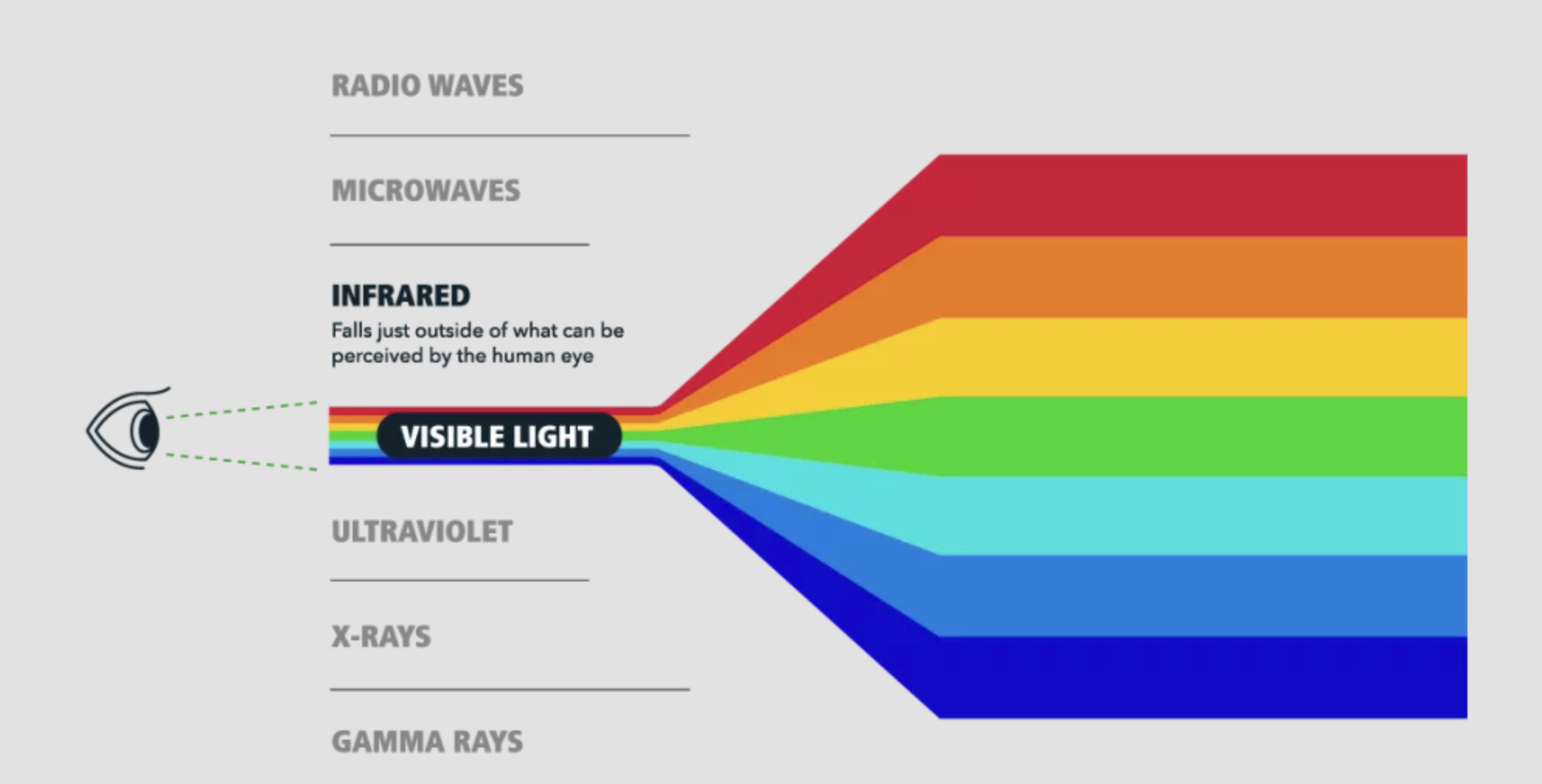
Far-infrared rays are a form of energy within the electromagnetic spectrum, invisible to the human eye. Unlike harmful short-wavelength rays (e.g., gamma rays, X-rays), FIR rays are considered safe and are studied for their gentle warming effects on the body. Developed for practical use by NASA in the 1960s to support astronaut health in space, FIR therapy is now explored in various wellness contexts for its non-invasive properties.
FIR therapy typically involves devices that emit low-energy light waves, which penetrate the skin to produce a warming effect. This heat is thought to interact with tissues in ways that may support relaxation and other general wellness outcomes, as discussed in scientific studies.
Research on Far-Infrared Therapy
Researchers have investigated FIR therapy for its potential effects on the body, particularly in non-medical, wellness-focused contexts. Below are key findings from peer-reviewed studies, provided for informational purposes only:
-
Relaxation and Stress Reduction: FIR therapy may promote relaxation by delivering gentle heat to the body. A study in Complementary Therapies in Medicine (2015) found that FIR heat therapy reduced stress and improved relaxation in healthy adults, potentially aiding in stress management [Liao, W. C., et al., "Effects of far-infrared heat on stress and sleep," Complementary Therapies in Medicine, 23(2), 247-254].
-
Localized Blood Flow: FIR therapy can increase blood flow in specific areas of the body where applied. A study in Circulation Journal (2009) reported that FIR sauna therapy enhanced peripheral blood flow in healthy individuals, contributing to a warming effect [Shui, S., et al., "Effects of repeated sauna treatment on peripheral blood flow," Circulation Journal, 73(4), 728-733].
-
Muscle and Joint Comfort: FIR therapy is often studied for its effects on minor muscle and joint discomfort. Research in Clinical Rheumatology (2009) indicated that FIR therapy reduced pain and stiffness in patients with non-specific musculoskeletal issues, suggesting a role in comfort-focused applications [Tomaszewski, J., et al., "Far-infrared therapy for musculoskeletal pain," Clinical Rheumatology, 28(5), 523-528].
These studies are provided for informational purposes only and are not associated with any specific device. They do not imply treatment or prevention of any medical condition, including cancer. Consult a licensed health care practitioner for medical advice.
Far-Infrared Therapy in Wellness Practices
FIR therapy is used in various wellness settings, such as spas, clinics, and home environments, to support relaxation and comfort. Common applications include:
-
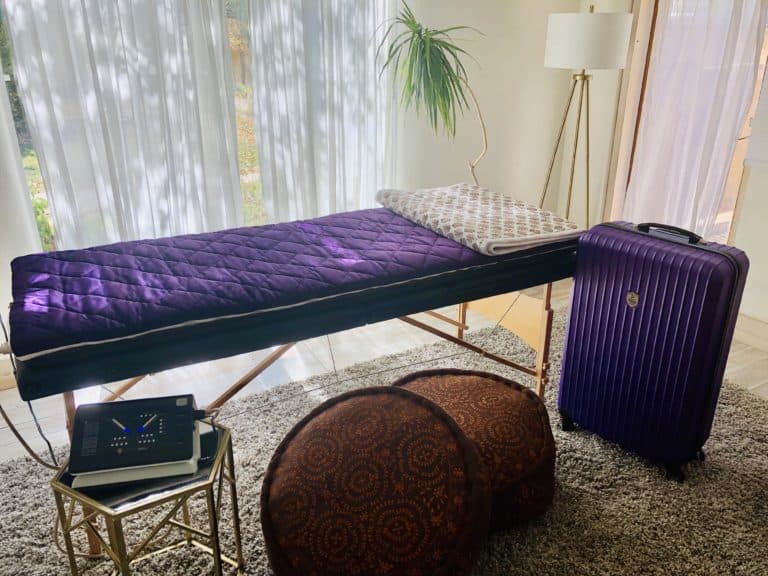
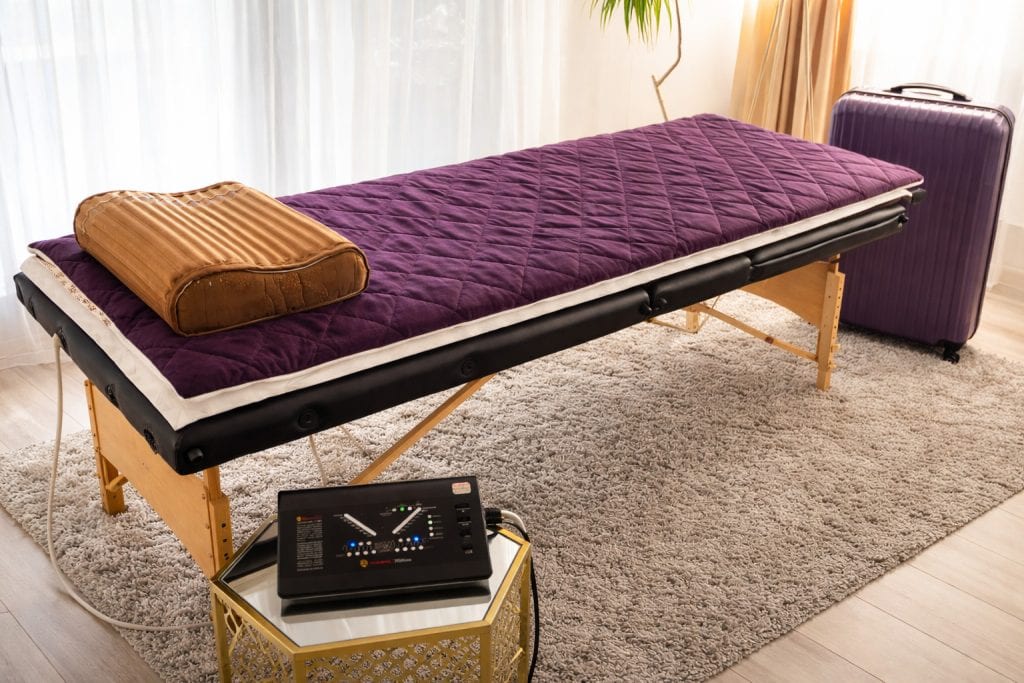
Warmth-Based Relaxation: FIR devices, such as saunas or mats, provide soothing heat that may help individuals unwind after a long day.
-
Support for Minor Discomfort: Some users apply FIR therapy to ease temporary muscle or joint soreness, leveraging its warming effects.
-
General Wellness: FIR therapy is often incorporated into holistic routines to promote a sense of well-being, though its effects are limited to studied outcomes like relaxation and localized blood flow.
Importantly, FIR therapy is not approved for the treatment or prevention of any disease, including cancer. Claims suggesting such benefits are not supported by regulatory authorities like the FDA or Health Canada. Always seek guidance from a licensed health care practitioner for medical concerns.
Considerations for Far-Infrared Therapy
When exploring FIR therapy:
-
Consult a Professional: Speak with a licensed health care practitioner to determine if FIR therapy is suitable for your wellness goals.
-
Follow Safety Guidelines: Use FIR devices according to manufacturer instructions to ensure safe application.
-
Understand Limitations: FIR therapy is studied for general wellness effects, not medical treatments. Avoid relying on it for disease management.
These statements have not been evaluated by the Food and Drug Administration. This information is not intended to diagnose, treat, cure, or prevent any disease. Specific medical advice should be obtained from a licensed health care practitioner.